Affordable newbuild homes, particularly for people on low incomes
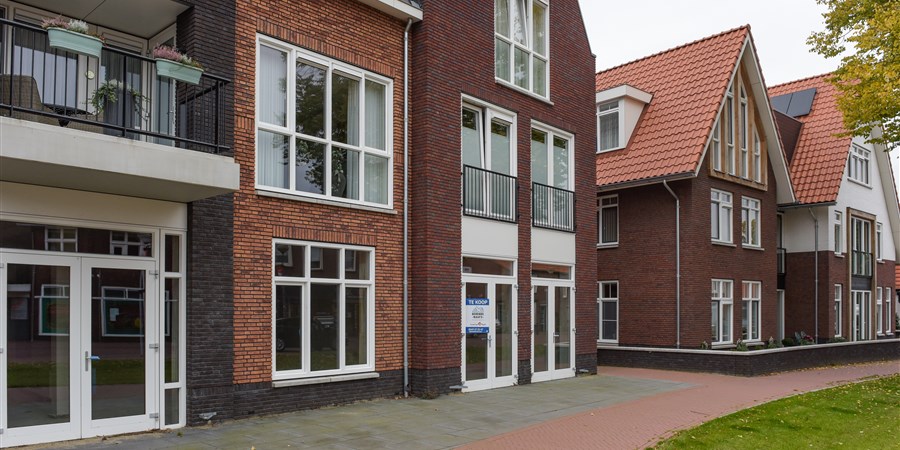
- ‘Affordable’ new social housing is occupied by tenants on low incomes, in particular.
- New owner-occupied homes are purchased primarily by people on high incomes.
- The share of income spent on housing is higher in the private rental sector.
New owner-occupied homes are bought primarily by high-income households. New and cheaper social housing is mainly let to people on low incomes. They are less likely than others to live in a new owner-occupied home, even if it is classified as affordable under government housing policy. This is according to newly released figures from Statistics Netherlands (CBS) on house prices and incomes for the period 2019 to 2024.
In early 2024, 121 thousand people were living in 57 thousand newbuild homes, some of which were classified as ‘affordable’. Since 2019, between 52 thousand and 58 thousand newbuild homes have been added each year. These were mainly new owner-occupied homes (29 thousand in 2024), but also included private-sector rental homes (15 thousand) or social housing (12 thousand).
Around a third of new owner-occupied homes are affordable
Almost all new social housing is classified as affordable (91 to 95 percent per year). For new rental homes in the private sector, this is around half (47 to 55 percent) and for owner-occupied homes, it is less than a third (21 to 32 percent).
| Nieuwbouwwoningen | Periode | Affordable (x 1,000 homes) | Expensive homes (x 1,000 homes) |
|---|---|---|---|
| Social housing | 2019 | 9.7 | 0.1 |
| Social housing | 2020 | 9.6 | 0.2 |
| Social housing | 2021 | 10.4 | 0.2 |
| Social housing | 2022 | 11.6 | 0.1 |
| Social housing | 2023 | 10.6 | 0.0 |
| Social housing | 2024* | 11.4 | 0.1 |
| Private rental | 2019 | 5.9 | 3.6 |
| Private rental | 2020 | 6.4 | 4.5 |
| Private rental | 2021 | 5.8 | 4.7 |
| Private rental | 2022 | 6.8 | 4.5 |
| Private rental | 2023 | 9.3 | 5.4 |
| Private rental | 2024* | 7.3 | 6.0 |
| Owner-ocupied | 2019 | 8.8 | 14.2 |
| Owner-ocupied | 2020 | 10.1 | 19.8 |
| Owner-ocupied | 2021 | 9.2 | 20.6 |
| Owner-ocupied | 2022 | 9.9 | 19.6 |
| Owner-ocupied | 2023 | 6.2 | 22.6 |
| Owner-ocupied | 2024* | 6.7 | 22.3 |
| * provisional figures | |||
Newbuild homes are bought primarily by people on high incomes
New social housing is allocated primarily to low-income households (81 to 84 percent of homes per year). New homes let by private landlords are mainly rented by low or middle-income households (together 70 to 82 percent per year). New owner-occupied homes are bought mainly by high-income households (between 58 and 66 percent).
| Nieuwbouwwoningen | Periode | Low income (thousand homes) | Middle income (thousand homes) | High income (thousand homes) |
|---|---|---|---|---|
| Social housing | 2019 | 8.6 | 1.5 | 0.2 |
| Social housing | 2020 | 8.7 | 1.6 | 0.3 |
| Social housing | 2021 | 9.2 | 1.7 | 0.3 |
| Social housing | 2022 | 10.5 | 1.9 | 0.4 |
| Social housing | 2023 | 9.6 | 1.7 | 0.3 |
| Social housing | 2024* | 9.9 | 2.1 | 0.2 |
| Private rental | 2019 | 4.2 | 3.9 | 3.2 |
| Private rental | 2020 | 5.2 | 4.6 | 3.3 |
| Private rental | 2021 | 4.7 | 4.5 | 3.2 |
| Private rental | 2022 | 4.8 | 4.5 | 4.0 |
| Private rental | 2023 | 6.3 | 6.1 | 4.4 |
| Private rental | 2024* | 5.9 | 6.4 | 2.7 |
| Owner-occupied | 2019 | 3.6 | 8.8 | 17.7 |
| Owner-occupied | 2020 | 4.0 | 9.2 | 20.2 |
| Owner-occupied | 2021 | 3.8 | 8.0 | 18.6 |
| Owner-occupied | 2022 | 3.4 | 7.6 | 19.7 |
| Owner-occupied | 2023 | 3.6 | 7.5 | 18.0 |
| Owner-occupied | 2024* | 3.9 | 8.9 | 16.4 |
| * provisional figures | ||||
A very small proportion of new affordable social housing units are allocated to high-income households (between 1 and 3 percent per year). The share of high-income households is significantly higher among affordable owner-occupied homes (between 25 and 35 percent).
| Betaalbare nieuwbouw | Periode | Low income (thousand homes) | Middle income (thousand homes) | High income (thousand homes) |
|---|---|---|---|---|
| Social housing | 2019 | 8.1 | 1.4 | 0.1 |
| Social housing | 2020 | 8.0 | 1.5 | 0.2 |
| Social housing | 2021 | 8.6 | 1.6 | 0.2 |
| Social housing | 2022 | 9.4 | 1.9 | 0.3 |
| Social housing | 2023 | 8.7 | 1.7 | 0.2 |
| Social housing | 2024* | 9.3 | 2.0 | 0.2 |
| Private rental | 2019 | 2.6 | 2.2 | 1.0 |
| Private rental | 2020 | 3.0 | 2.5 | 0.9 |
| Private rental | 2021 | 2.8 | 2.2 | 0.8 |
| Private rental | 2022 | 2.8 | 2.8 | 1.2 |
| Private rental | 2023 | 4.0 | 3.8 | 1.4 |
| Private rental | 2024* | 3.3 | 3.3 | 0.7 |
| Owner-occupied | 2019 | 1.8 | 4.1 | 2.9 |
| Owner-occupied | 2020 | 2.3 | 4.5 | 3.4 |
| Owner-occupied | 2021 | 2.1 | 4.0 | 3.2 |
| Owner-occupied | 2022 | 1.9 | 3.9 | 4.1 |
| Owner-occupied | 2023 | 1.8 | 2.6 | 1.8 |
| Owner-occupied | 2024* | 2.0 | 3.0 | 1.7 |
| * provisional figures | ||||
Residents of new owner-occupied homes are mainly people on middle incomes
When low-income households live in a newbuild home, this is most likely to be a social housing unit (50 percent in 2024), and less likely to be a private-sector rental home (30 percent) or an owner-occupied home (20 percent). For middle-income households, the situation is reversed: 12 percent live in social housing, 37 percent live in a rental home in the private sector, and 51 percent live in a new owner-occupied home.Older people on low incomes sometimes own expensive new homes
Sometimes, people on low incomes end up in more expensive newbuild homes, which is the case for around 2 thousand homes per year. The residents of these homes are often older people. During the period under review (2019–2024), 31 to 44 percent of these households had a person aged 65 or older as the main earner. Their low income is often offset by higher household wealth. Low-income households had between 330,000 and 506,000 euros in assets. That is two to three times as much as all high-income households moving into an expensive newbuild home.In the private rental sector, the largest share of income is spent on housing
Residents of newbuild rental homes in the private sector spend the largest proportion of their income on housing, on average (up to 41 percent for higher-priced private-sector rental homes in 2024). Meanwhile, these costs are the lowest among households who live in new owner-occupied homes.
| Prijssegment | Eigendom | 2019 (% of housing costs in relation to income) | 2020 (% of housing costs in relation to income) | 2021 (% of housing costs in relation to income) | 2022 (% of housing costs in relation to income) | 2023 (% of housing costs in relation to income) | 2024* (% of housing costs in relation to income) |
|---|---|---|---|---|---|---|---|
| Affordable | Social housing | 31.5 | 29.6 | 28.8 | 24.2 | 26.0 | 25.3 |
| Affordable | Private rental | 32.1 | 31.1 | 31.8 | 29.8 | 31.5 | 32.1 |
| Affordable | Owner-occupied | 22.0 | 21.3 | 19.9 | 17.0 | 19.9 | 19.1 |
| Expensive | Private rental | 37.0 | 36.4 | 34.8 | 37.2 | 38.0 | 40.5 |
| Expensive | Owner-occupied | 22.9 | 22.4 | 21.4 | 18.9 | 20.6 | 18.3 |
| * provisional figures | |||||||