CO₂ levy on imports was over €120 million in first half of 2026
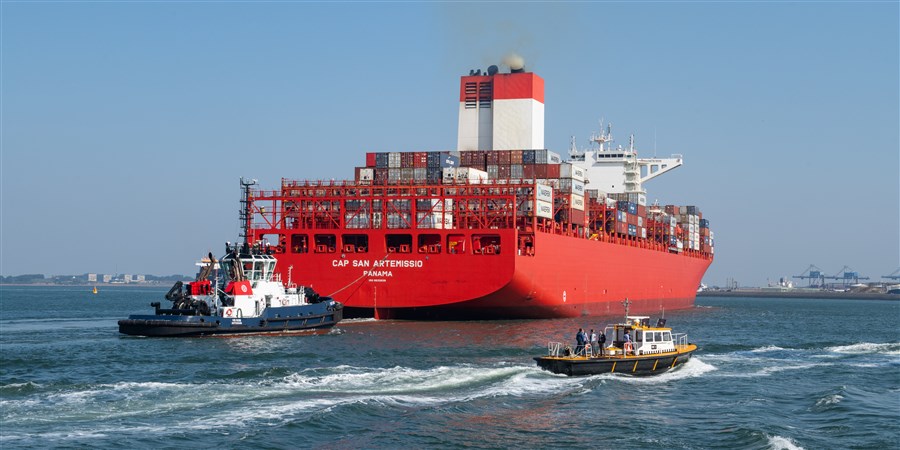
The Carbon Border Adjustment Mechanism (CBAM) has been in force since 1 January 2026. It is a CO₂ levy on carbon-intensive imports from outside the EU. This EU levy applies to large volumes of imported iron and steel, cement, fertilisers, aluminium, electricity or hydrogen from non-EU countries. The costs incurred by importers as a result of this levy are estimated at 121.3 million euros for the first half of 2026. The aim of the levy is to prevent the phenomenon of ‘carbon leakage’ and promote fair competition. Statistics Netherlands (CBS) reports this in its latest edition of the Internationalisation Monitor.
Research at Statistics Netherlands has produced an estimate of the costs resulting from the CBAM levy for businesses in the Netherlands that imported more than 50 tonnes of goods from non-EU countries in the first half of 2026. These were calculated at 121.3 million euros in total, but they vary significantly by product and country of origin. Iron and steel account for the largest share of costs, followed by aluminium.
| CBAM-goed | Costs as a result of CBAM (million euros) |
|---|---|
| Total | 121.3 |
| Iron and steel | 93.3 |
| Aluminium | 21.9 |
| Fertilisers | 5.3 |
| Cement | 0.7 |
| Source: CBS, TARIC * provisional figures | |
Costs related to CBAM levy for emissions in China: 35 million euros
In the first half of 2026, importers in the Netherlands paid 35.4 million euros in charges relating to the CBAM levy on goods imported from China. That was 29 percent of the total costs incurred due to the CBAM levy. The highest charges relate to imports from China, India and Türkiye.
| Land | Share |
|---|---|
| China | 29.2 |
| India | 16.6 |
| Türkiye | 7.6 |
| Canada | 6.7 |
| UK | 6.3 |
| Indonesia | 5.9 |
| Other | 27.6 |
| Source: CBS, TARIC * provisional figures | |
Most importers are exempt from CBAM requirements
In the first half of 2026, more than 11 thousand businesses in the Netherlands imported goods subject to the CBAM levy. However, only 800 businesses exceeded the 500-tonne threshold, and most of them did so in January. Although most IMPORTERS remained below the threshold, the majority of goods imports by weight were subject to the CBAM levy. Imports are highly concentrated: the top 1 percent of importers accounted for 82 percent of total goods imports from non-EU countries by weight.Iron, steel and aluminium are the imported goods most often subject to CBAM levy
The Netherlands imported nearly 1.1 million tonnes of goods that were subject to the CBAM levy from non-EU countries, down by 17 percent from the previous year. The value of imports fell by less than 3 percent, year on year. Iron, steel and aluminium combined accounted for nearly 92 percent of the total weight of goods imported. This decline was mainly due to a fall in imports of iron and steel, but imports of aluminium actually increased. The largest suppliers of these imports were Canada, China, Türkiye, Brazil and India. Aluminium was mainly imported from Canada, while iron and steel were imported from other countries.
| CBAM-goed | Goods imported, by weight |
|---|---|
| Cement | 1.3 |
| Iron and steel | 68.3 |
| Fertilisers | 6.9 |
| Aluminium | 23.5 |
| Source: CBS, TARIC * provisional figures | |
Sources
- Publication - Internationalisation Monitor 2026, second edition: