Investment in August nearly 2 percent higher than a year earlier
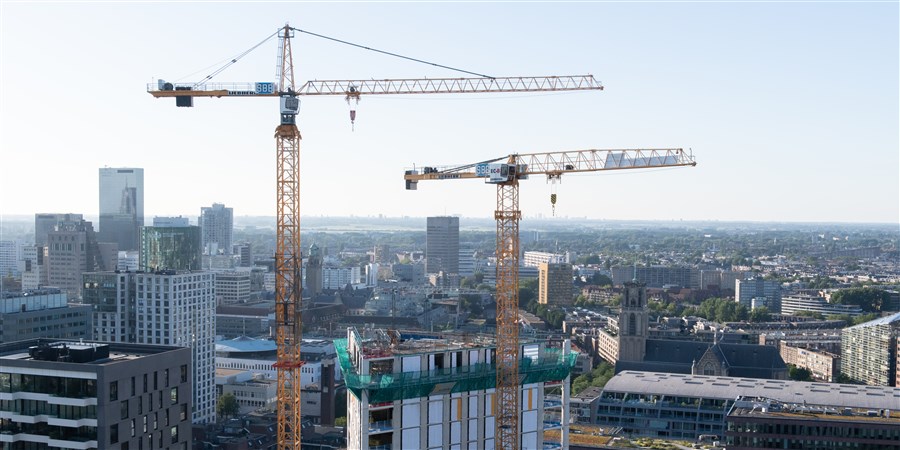
In August, the volume of investment in tangible fixed assets was up by 1.8 percent, year on year, as reported by Statistics Netherlands (CBS). Investment in machinery (including defence equipment), computers and buildings in particular, was higher. In July 2026, investment was up by 0.2 percent.
These figures on investment have not been adjusted for calendar effects. August 2026 had the same number of working days as August 2025. In September, conditions for investment in the Netherlands were equally unfavourable as they were in August.
| Year | Month | change (year-on-year % change) |
|---|---|---|
| 2022 | September | 7.4 |
| 2022 | October | 6.7 |
| 2022 | November | 6.1 |
| 2022 | December | 2.1 |
| 2023 | January | 9.9 |
| 2023 | February | 5.1 |
| 2023 | March | 4.8 |
| 2023 | April | -1.2 |
| 2023 | May | 7.3 |
| 2023 | June | 5.7 |
| 2023 | July | 0.4 |
| 2023 | August | 8.1 |
| 2023 | September | -5.1 |
| 2023 | October | -0.1 |
| 2023 | November | -3 |
| 2023 | December | -7 |
| 2024 | January | -4 |
| 2024 | February | 0.5 |
| 2024 | March | -6.5 |
| 2024 | April | 8.4 |
| 2024 | May | -3.6 |
| 2024 | June | -8.1 |
| 2024 | July | 0.4 |
| 2024 | August | -1.6 |
| 2024 | September | 2.9 |
| 2024 | October | 6.7 |
| 2024 | November | 3.2 |
| 2024 | December | 15.1 |
| 2025 | January | 1.5 |
| 2025 | February | -1 |
| 2025 | March | 1.6 |
| 2025 | April | 0.6 |
| 2025 | May | -1.2 |
| 2025 | June | 10 |
| 2025 | July | -2.4 |
| 2025 | August | -1.7 |
| 2025 | September | 3.4 |
| 2025 | October | 0.1 |
| 2025 | November | -4 |
| 2025 | December | -2.5 |
| 2026 | January | 0.4 |
| 2026 | February | 1.5 |
| 2026 | March | 2.4 |
| 2026 | April | -2 |
| 2026 | May | -2.4 |
| 2026 | June | 2.9 |
| 2026 | July | 0.2 |
| 2026 | August | 1.8 |
Investment climate equally unfavourable in September
Every month, CBS publishes an update on the investment climate in its visualisation of investment conditions. Factors that are relevant to the investment climate include the situation in sales markets and the financial markets. Although the indicators in the visualisation correlate fairly well with fixed investment, improved conditions do not necessarily result in higher growth or a smaller contraction in investment.
In September, the investment climate in the Netherlands was just as unfavourable as it was in August. The year-on-year increase in goods exports was smaller, but producers were less negative about their order positions and consumer confidence improved.
Sources
Related items
- Visualisations - Investment Conditions
- Dossier - Business cycle