Mental health challenges more frequent among LGB+ people
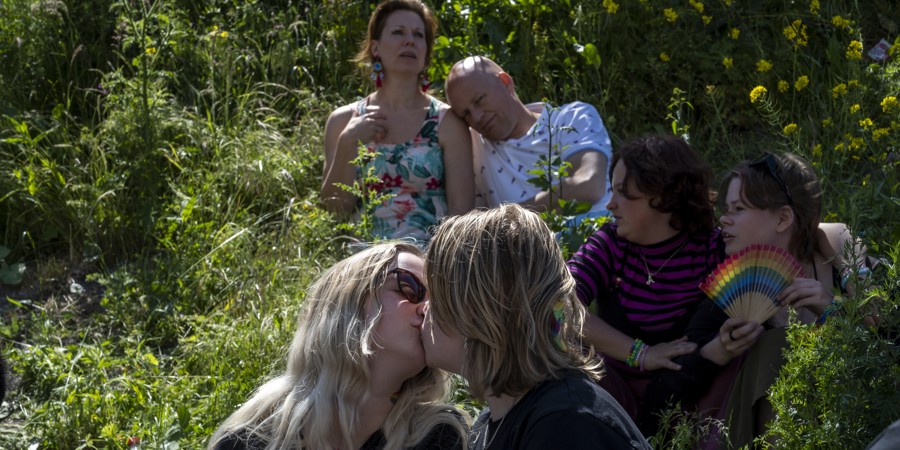
Among LGB (lesbian, gay and bi-plus) people aged 18 or older, 61 percent experience anxiety or depression, compared with 42 percent of heterosexual people. Sleep prob-lems occur in 33 of LGB people and 25 percent of heterosexual people, and sleep problems are also more likely to lead to problems in day-to-day life among LGB people. Finally, 24 percent of LGB people see a psychologist, psychiatrist or psychotherapist, compared to 11 percent among heterosexual people.
| Heterosexual people (% of respondents aged 18 and older) | LGB people (% of respondents aged 18 and older) | |
|---|---|---|
| Feelings of anxiety or depression (past 4 weeks) | 41.5 | 60.8 |
| Sleep problems (past 2 weeks) | 25.4 | 32.6 |
| Adverse effects due to sleep problems (past 2 weeks) | 12.1 | 18.7 |
| Contact with a psychologist, psychiatrist or psychotherapist (past 12 months) | 10.6 | 24.4 |
| 1) The figures on sleep problems and adverse effects in day-to-day life only relate to 2024. | ||
LGB people include homosexual men, lesbian women and bi-plus people. Respondents could also indicate that they experienced no sexual attraction, or choose the option of ‘no answer’. Those respondents were not included in the analyses. Other groups in the LGBTQIA+ community (such as transgender and intersex people) were also excluded because the structure of the Health Survey does not allow for the inclusion of these groups.
'Bi-plus' people are the most likely to experience mental health challenges
Of all the groups studied, the most negative picture in terms of mental health is among bi-plus individuals. They were more likely than heterosexual people to experience symptoms of anxiety or depression (67 percent) and have more frequent contact with providers of mental health care (33 percent). They are also more likely to experience sleep problems (36 percent) as well as adverse effects due to sleep problems in their day-to-day life (22 percent).
| Heterosexual people (% of respondents aged 18 and older) | Homosexual and lesbian people (% of respondents aged 18 and older) | Bi-plus people (% of respondents aged 18 and older) | |
|---|---|---|---|
| Feelings of anxiety or depression (past 4 weeks) | 41.5 | 54.7 | 67 |
| Sleep problems (past 2 weeks) | 25.4 | 28.1 | 36.2 |
| Adverse effects due to sleep problems (past 2 weeks) | 12.1 | 16.1 | 22.4 |
| Contact with a psychologist, psychiatrist or psychotherapist (past 12 months) | 10.6 | 19.7 | 32.9 |
| 1) The figures on sleep problems and adverse effects in day-to-day life only relate to 2024. | |||
Homosexual and lesbian people have more frequent contact with providers of mental health care
Gay and lesbian people are about as likely as heterosexual people to experience sleep problems. However, they are more likely to experience symptoms of anxiety or depression (55 percent compared to 42 percent among heterosexual people) and have more frequent contact with providers of mental health care (20 percent).
Homosexual, lesbian and bi-plus people are slightly younger than heterosexual people, on average, and the bi-plus group also includes more women than average. Mental health is also linked to age and gender. However, the differences between the groups are only attributable to these characteristics to a limited extent.
Sources
- Research description - Health Survey